


A second opinion fetal ultrasound in Bhubaneswar can help parents better understand an unexpected scan finding, abnormal screening result, fetal concern or recommended pregnancy treatment. A specialist review considers the available ultrasound reports and images alongside pregnancy history, screening results and other clinical information.
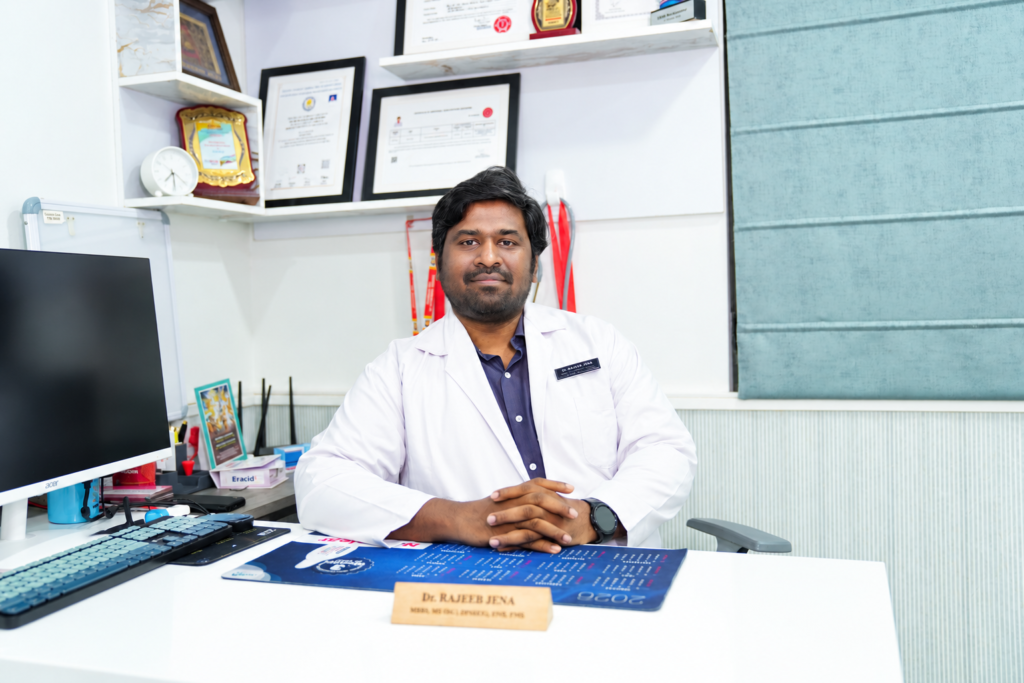
Dr. Rajeeb Jena provides fetal medicine and second opinion pregnancy consultations in Bhubaneswar, with clinical focus on high-risk pregnancy, advanced pregnancy ultrasound and fetal imaging, fetal testing and fetal therapy. A second opinion may be particularly useful when there are abnormal scan findings, borderline measurements, soft markers, fetal growth concerns, high-risk screening results or conflicting scan reports.
The purpose is not simply to provide another opinion. It is to help parents understand what is known, what remains uncertain and what further evaluation or monitoring may be appropriate.
A second opinion involves an independent review of available medical information to determine whether additional evaluation, monitoring, treatment or specialist care may be appropriate.
During a second opinion pregnancy consultation in Bhubaneswar, the doctor may review:
A second opinion does not necessarily mean the first medical opinion was incorrect. Complex findings can sometimes be interpreted differently, or additional information may become available as pregnancy progresses.
Review of outside ultrasound reports in Bhubaneswar can be particularly helpful when a scan performed at another hospital, diagnostic centre or imaging facility has identified something that concerns the parents.
A written report may not always provide enough context to understand a fetal finding. A fetal medicine second opinion can help explain what the reported finding may mean, whether a repeat targeted ultrasound could be useful and whether further counselling or monitoring should be considered.
Yes. Patients can bring:
Where available, reviewing the actual ultrasound images or digital records can provide additional information beyond the written report.
Patients searching for scan report review Bhubaneswar, scan report review Nandankanan Road, outside scan review fetal medicine, or review of outside ultrasound reports near Kalarahanga can discuss the available records during a specialist consultation.
An abnormal scan second opinion in Bhubaneswar may be considered when an ultrasound identifies an unexpected or uncertain finding.
Examples include:
A second opinion may help clarify:
The significance of an ultrasound finding depends on gestational age, image quality, the specific finding and other features of the pregnancy.
A second opinion can be considered when you are uncertain about an abnormal scan, have received conflicting interpretations or have been advised to undergo further testing or treatment.
It can also be useful when you want a specialist perspective before making an important pregnancy decision. A second opinion should provide balanced information rather than promise a particular pregnancy outcome.
An abnormal or higher-risk prenatal screening result can create significant uncertainty. Second opinion genetic counselling in Bhubaneswar can help parents understand the reported risk and distinguish between screening information and a confirmed diagnosis.
Counselling may cover:
A higher-risk screening result does not automatically mean that the baby has the condition being screened for. Depending on the circumstances, further screening or diagnostic testing may be discussed.
Parents may seek a second opinion on a high-risk double marker, a high-risk prenatal screening result or an NIPT result when they are uncertain about what the result means.
The purpose of counselling is to explain the screening result, its limitations and whether additional testing may be appropriate based on the individual pregnancy.
A screening result should not be treated as a confirmed diagnosis without appropriate clinical evaluation and, where indicated, diagnostic testing.
High-risk pregnancy counselling in Bhubaneswar provides an opportunity to understand why a pregnancy is considered higher risk and what additional monitoring or planning may be appropriate.
High-risk factors may include:
The monitoring plan depends on the specific risk factors and may change as pregnancy progresses.
A specialist second opinion may be considered if you:
The goal is to understand the relevant risks and discuss appropriate monitoring, investigations and pregnancy planning.
When an ultrasound identifies a possible fetal abnormality, parents may have questions about the baby’s health, prognosis, treatment options and future care.
Specialist counselling may address:
Medical information can sometimes remain uncertain before birth. A responsible consultation should explain both what is known and what cannot yet be predicted.
A second-opinion consultation may identify a need for additional assessment, but not every patient requires a repeat ultrasound or further testing.
Depending on the clinical question, investigations may include:
The appropriate investigation depends on previous results, the clinical question and individual pregnancy circumstances.
A repeat or targeted ultrasound may be recommended when additional imaging is needed to clarify a finding, assess fetal development or obtain information that is not sufficiently available from the existing scan.
However, repeating a scan is not automatically necessary. The decision depends on the quality and completeness of the existing images and the clinical question being addressed.
Parents may seek a second opinion before amniocentesis when a screening result, ultrasound finding or genetic concern has led to a recommendation for diagnostic testing.
Counselling can help explain:
The decision about additional testing should be made after discussing the individual clinical situation with a qualified healthcare professional.
Placental findings can sometimes create uncertainty during pregnancy. Conditions involving placental location, appearance or function may require additional monitoring depending on the specific circumstances.
A second opinion may consider:
A placental finding does not automatically mean a serious complication will occur. Its significance depends on the diagnosis, gestational age and other clinical findings.
A delivery planning second opinion in Bhubaneswar may be useful when a fetal condition, maternal complication or placental disorder could influence childbirth.
Specialist counselling may include discussion of:
For selected pregnancies, delivery at a centre with appropriate neonatal or paediatric facilities may be recommended. The plan may later change depending on fetal growth, maternal health, ultrasound findings and other developments.
If you have been advised to undergo a C-section and want greater clarity, a specialist can review the available pregnancy information and discuss the clinical factors relevant to delivery planning.
A second opinion does not automatically recommend or oppose a particular mode of delivery. The decision depends on maternal and fetal circumstances, pregnancy progression and the clinical reasons behind the recommendation.
Some fetal conditions may have treatment options before birth. Fetal therapy is highly specialised and is considered only for selected conditions after detailed assessment.
A fetal therapy consultation may discuss:
Not every fetal abnormality can or should be treated before birth. Decisions require careful consideration of the individual pregnancy.
A second opinion may be worth considering when:
Seeking a second opinion can help you understand complex medical information before making important decisions.
The information on this page is intended for general educational purposes and does not replace professional medical consultation, diagnosis or treatment.
A second opinion may provide additional information or perspective, but recommendations depend on the individual’s medical history, examination, investigations and pregnancy findings. Ultrasound and screening tests have limitations, and no consultation can guarantee a particular pregnancy outcome.
If you have urgent pregnancy symptoms or concerns about fetal well-being, seek appropriate medical care promptly.
Yes. You can bring ultrasound reports and, where available, the original ultrasound images or digital records from another hospital or diagnostic centre. Reviewing the actual images may provide additional information beyond the written report alone.
A second opinion may be useful when an ultrasound identifies an unexpected finding, borderline measurement, soft marker, fetal growth concern or possible abnormality. It can help clarify whether further imaging, genetic counselling, monitoring or other assessment may be appropriate.
Yes. Second opinion genetic counselling can help explain what a genetic screening result means, the reported level of risk, the difference between screening and diagnostic testing, and whether further evaluation should be considered.
Bring previous ultrasound reports and images, genetic or prenatal screening reports, blood test results, previous pregnancy records and relevant prescriptions whenever available. These documents help the specialist understand the pregnancy history and interpret the current findings.
Not necessarily. A repeat or targeted ultrasound may be recommended if additional imaging is needed to clarify the finding or obtain information that is not sufficiently available from the existing scan. The decision depends on the clinical question and available records.
Yes. A delivery planning second opinion can review factors such as maternal health, fetal condition, fetal growth, placental findings, timing of delivery, expected mode of delivery and the need for neonatal or paediatric support. The plan may change as the pregnancy progresses.